Main page content
Entity view (Content)
Dreeftoren Amsterdam
Netherlands
Stravimech Bearing-P
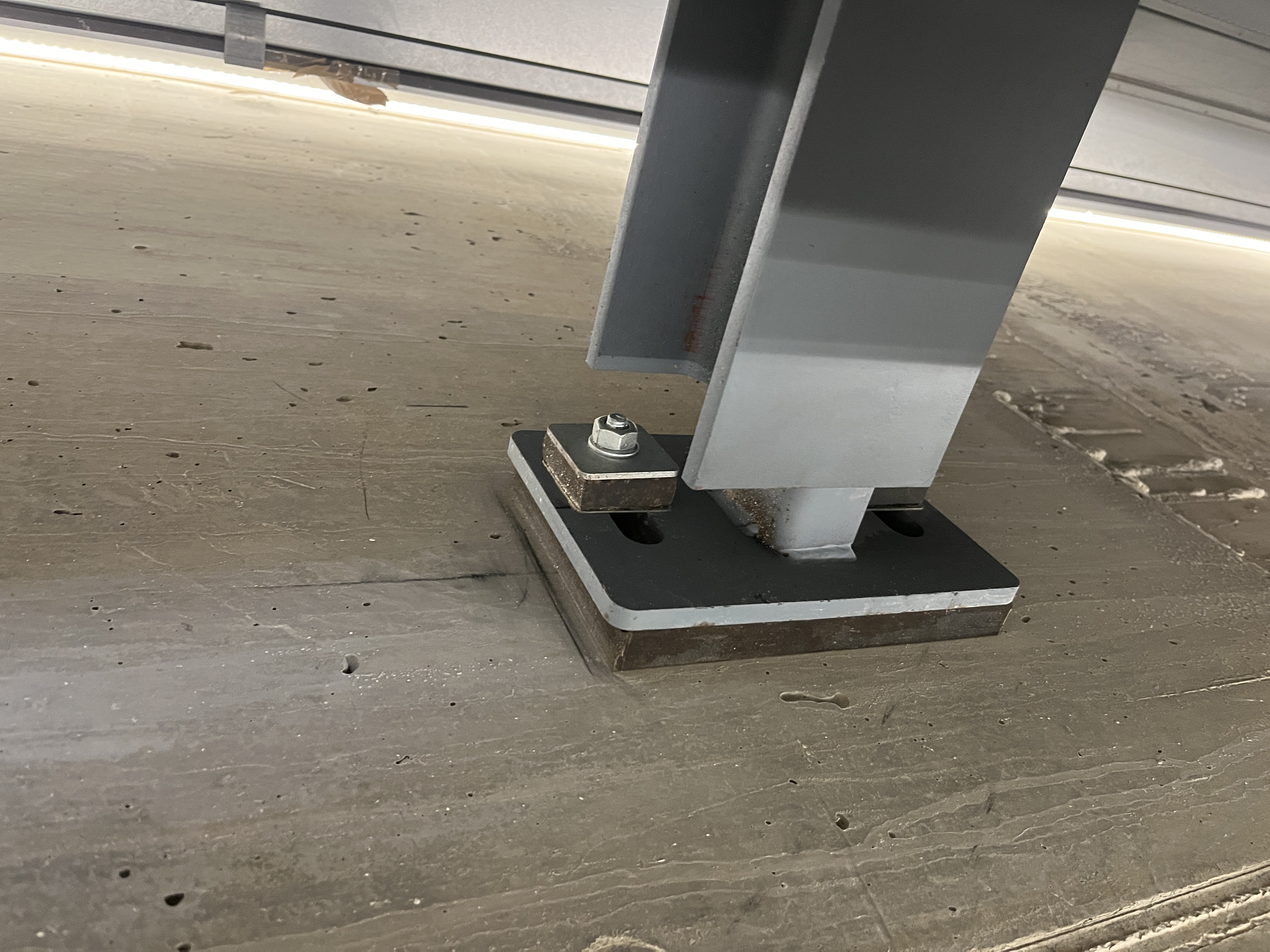
Stravimech ElevatorFix

Entity view (Content)
Located opposite the Johan Cruijff Arena in Amsterdam, construction is underway on the Dreef Residential Tower (Dreeftoren).
Standing approximately 131 meters high across 42 floors, this prominent high-rise will feature 312 apartments alongside commercial and social amenities in its base plinth. Upon completion, the Dreeftoren will be the tallest residential tower in Amsterdam, serving as a major landmark and key addition to the ongoing redevelopment of the ArenaPoort-West area.
High-rise residential developments require effective acoustic management to ensure a high level of living comfort for residents, particularly regarding structural vibration and mechanical noise from building infrastructure.
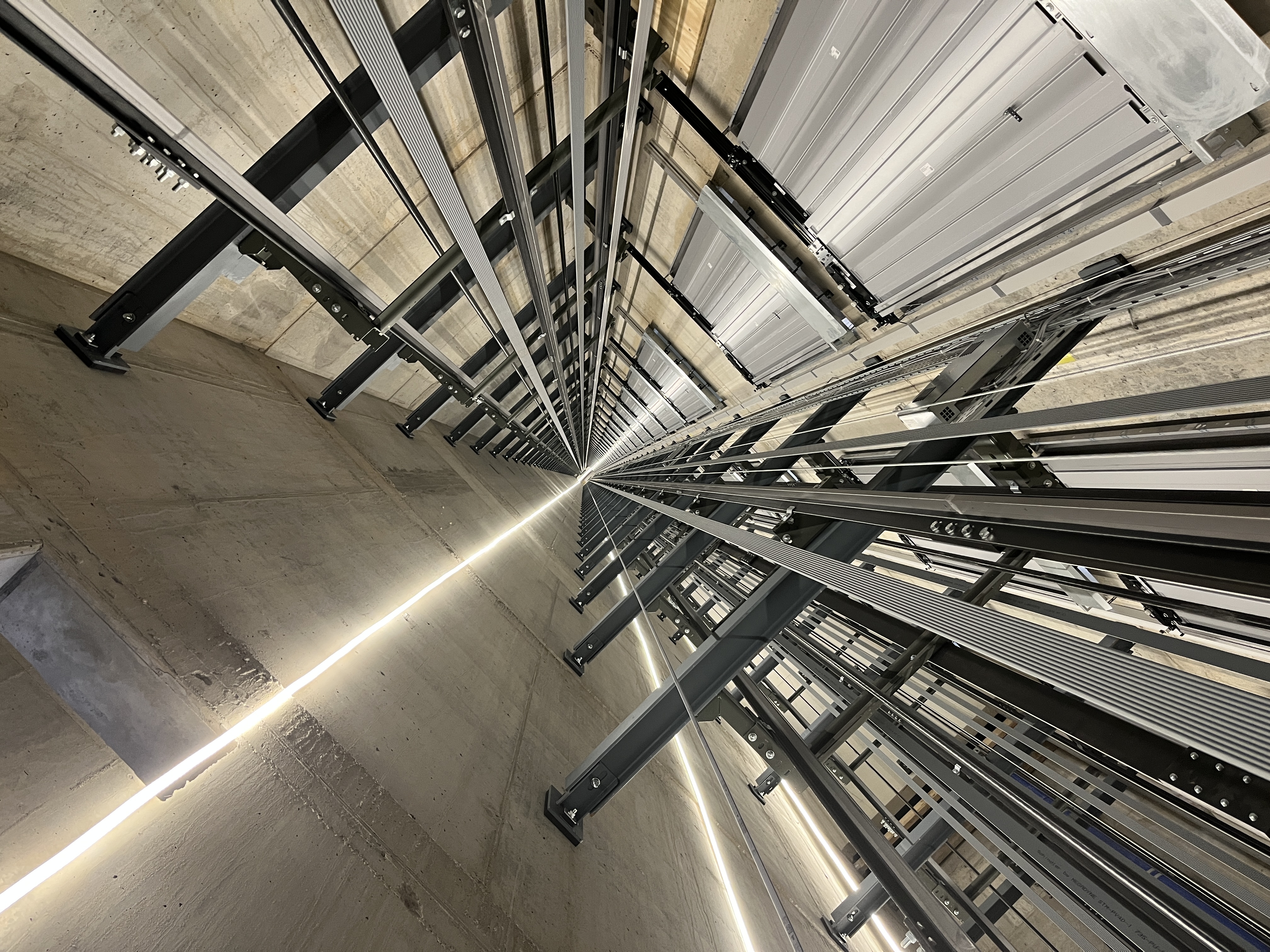
To address potential noise transfer from the building’s elevator shafts into nearby living spaces, Delta-L was commissioned by elevator manufacturer Schindler to engineer and supply an advanced acoustic isolation solution using CDM Stravitec solutions.
To prevent the transmission of structure-borne noise and vibration into the primary building structure, Delta-L supplied a tailored solution combining CDM Stravitec’s Stravimech ElevatorFix solutions with Stravimech Bearing-P mountings.
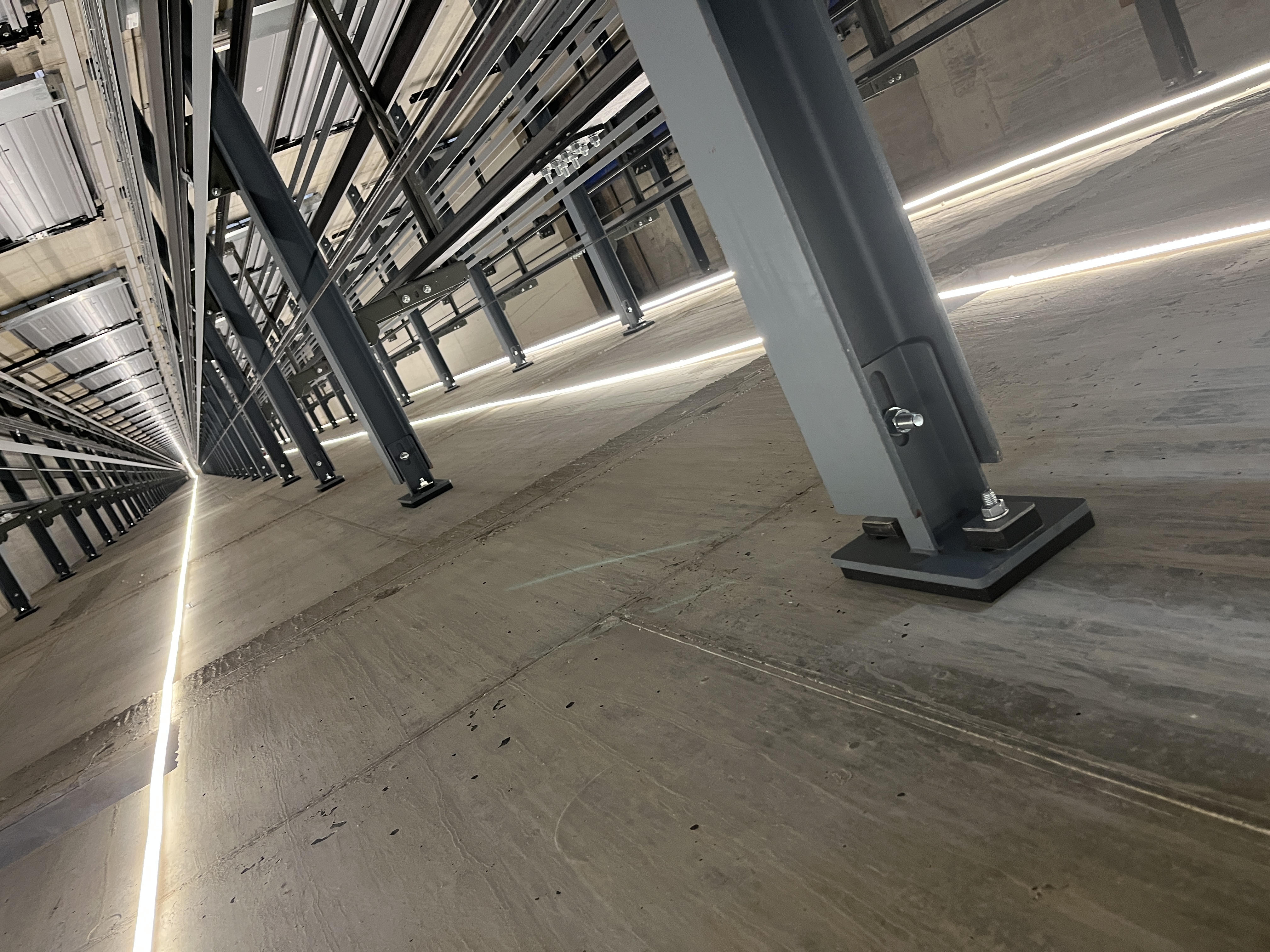
Stravimech ElevatorFix was specified to fully decouple the bolted connections attaching the elevator traverse beams directly to the concrete shaft walls.
By acoustically isolating these structural anchor points, mechanical vibrations generated by elevator motors, cab travel, and rail forces are significantly reduced before reaching surrounding apartments.
Nearly 400 Stravimech ElevatorFix sets were delivered across two bracket configurations, each custom-designed to match specified static and dynamic loads, spatial constraints, and allowable deflections.
Additionally, Stravimech Bearing-P resilient bearings were engineered and installed beneath the control cabinets to decouple secondary mechanical equipment.