Main page content
Entity view (Content)
Olympia London

Entity view (Content)
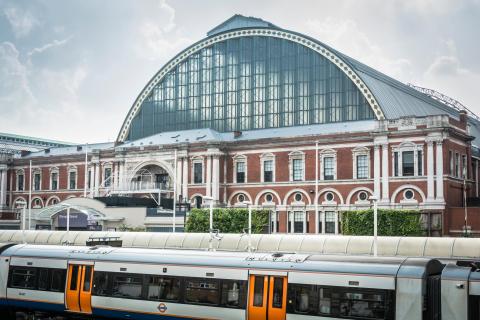
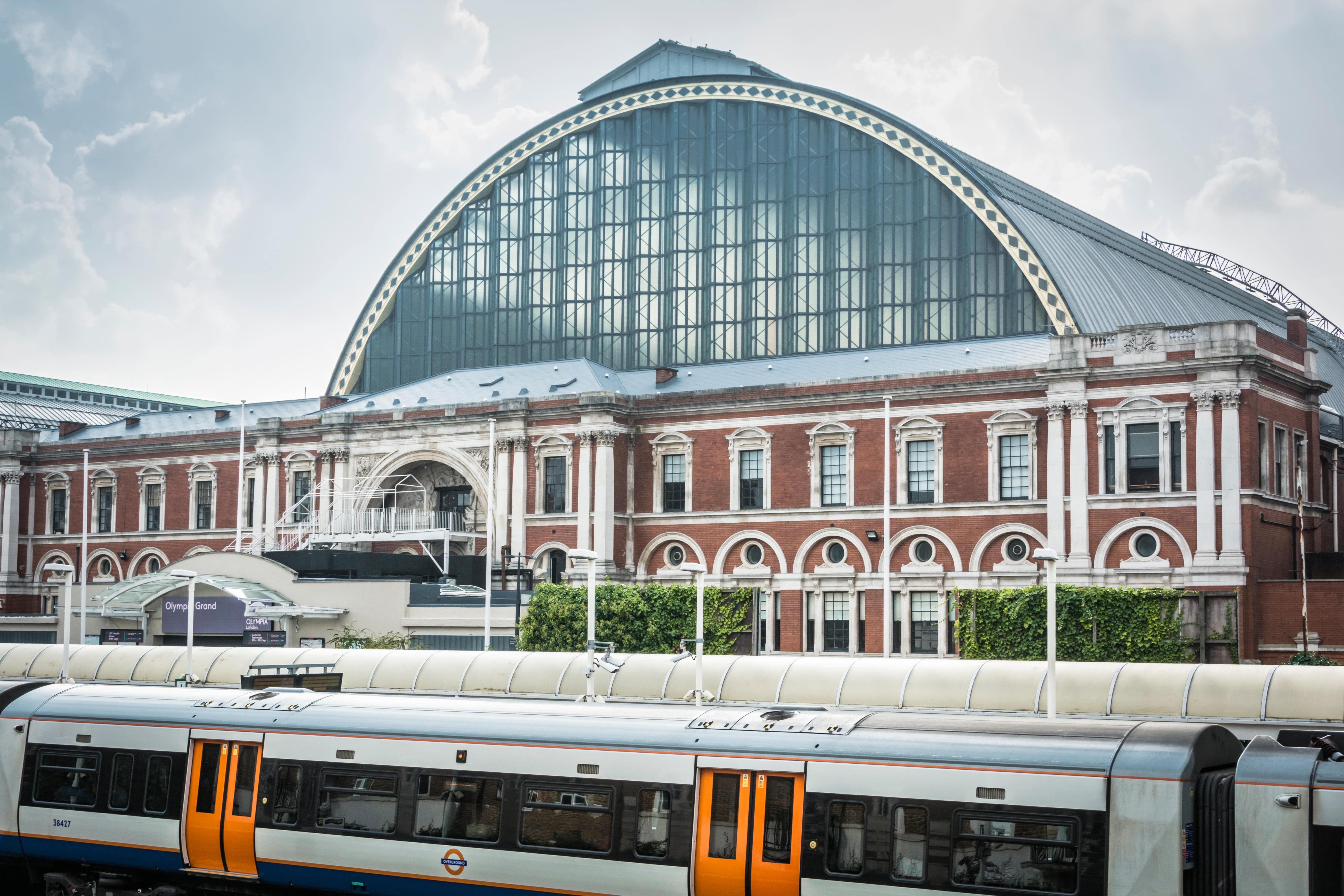
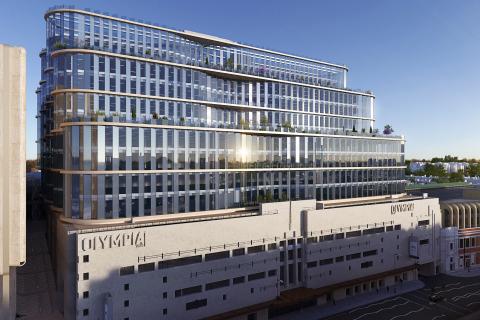
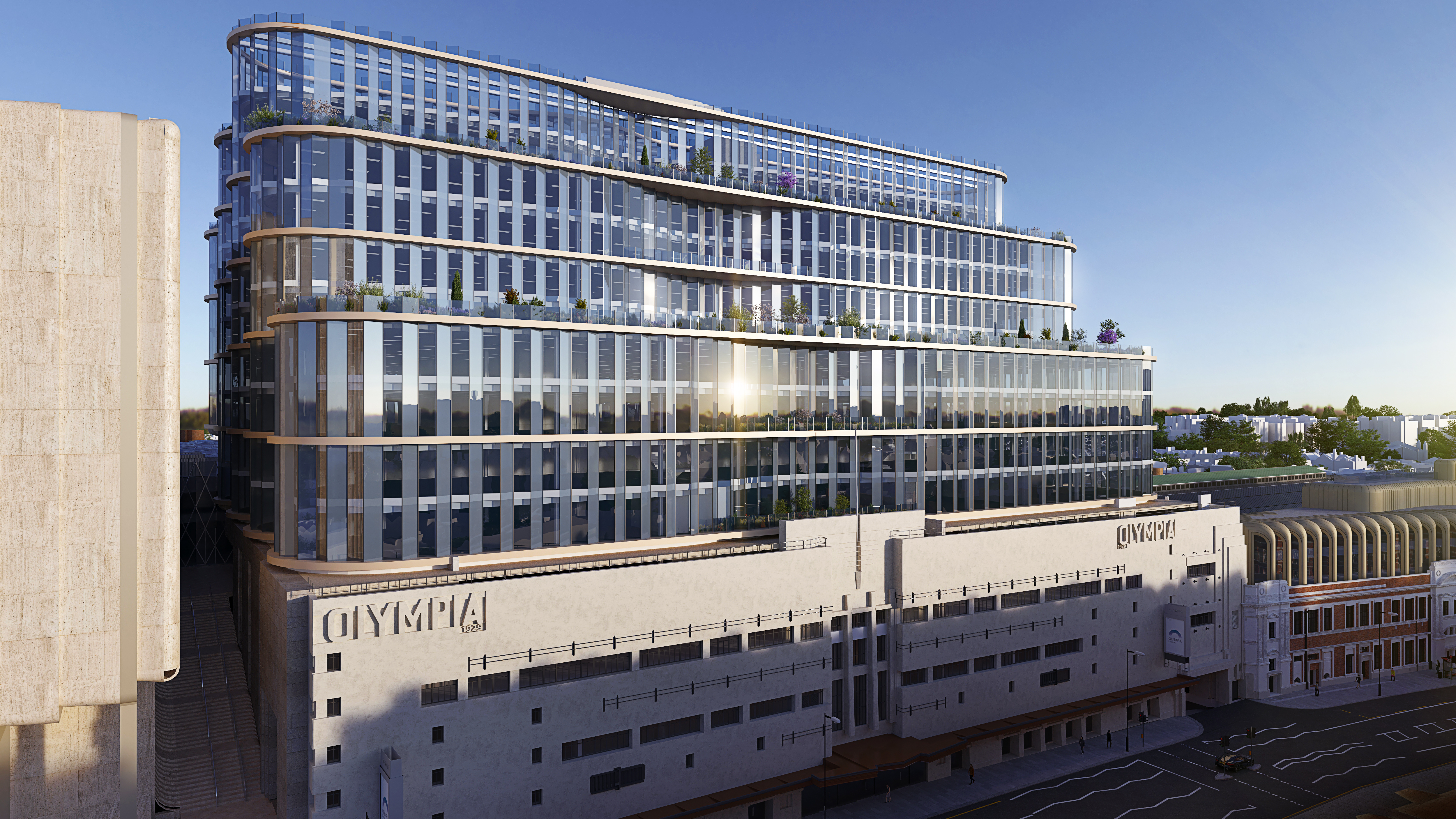
Olympia London, an iconic 43,728 square meters venue in the heart of London, has captivated visitors for almost 140 years with its diverse range of events and spectacular shows.
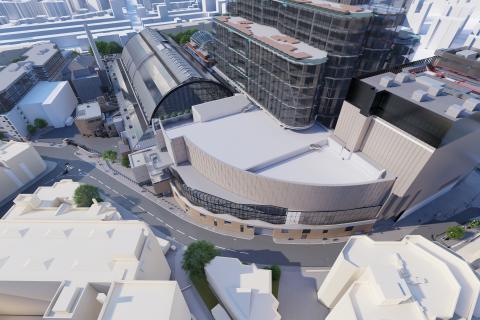
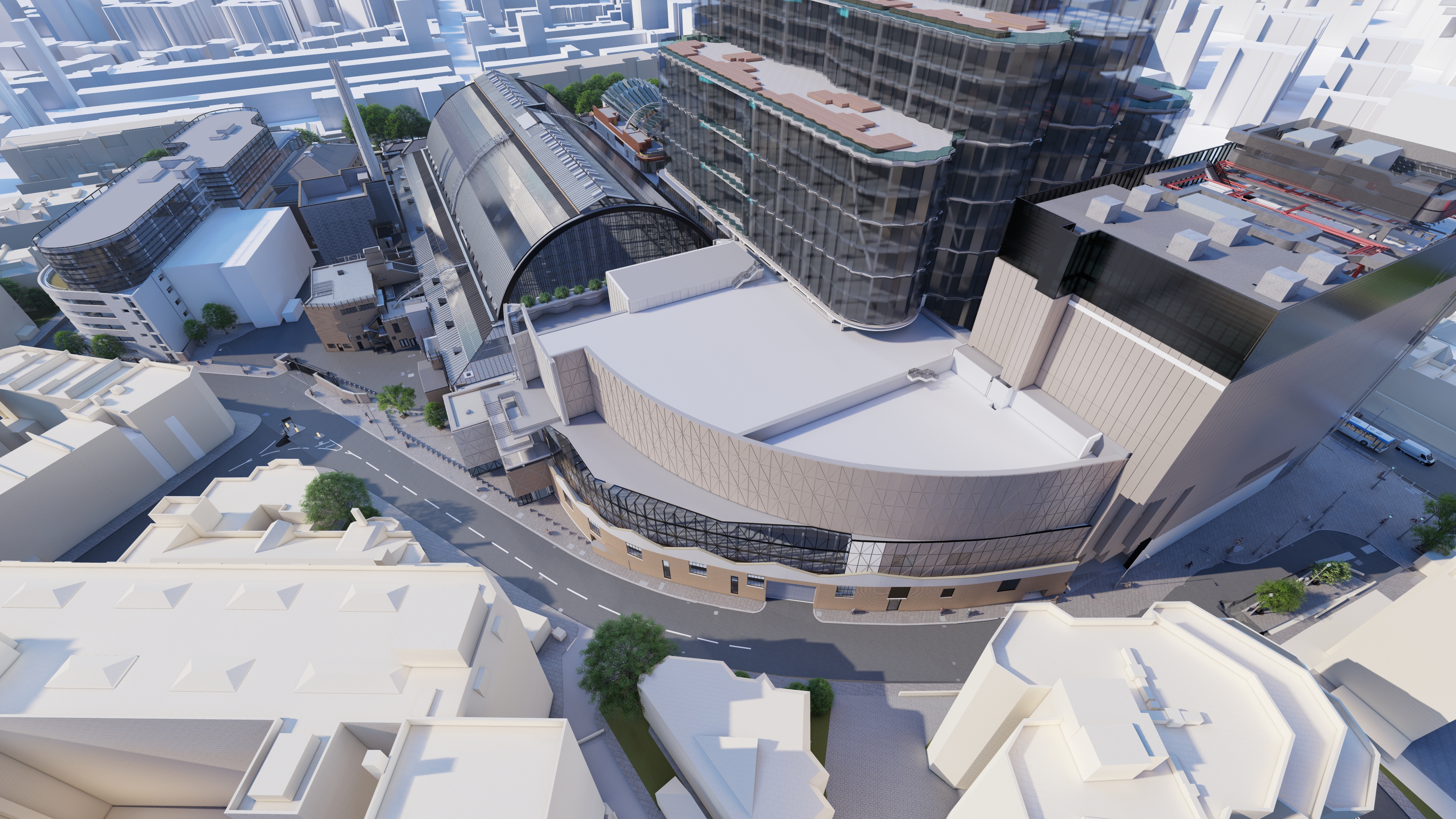
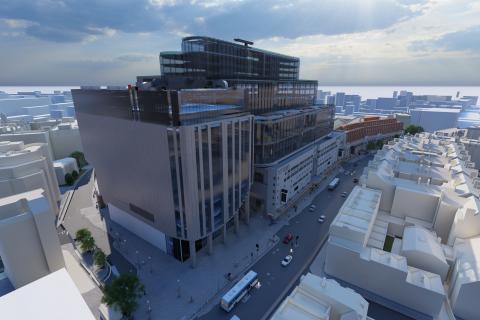
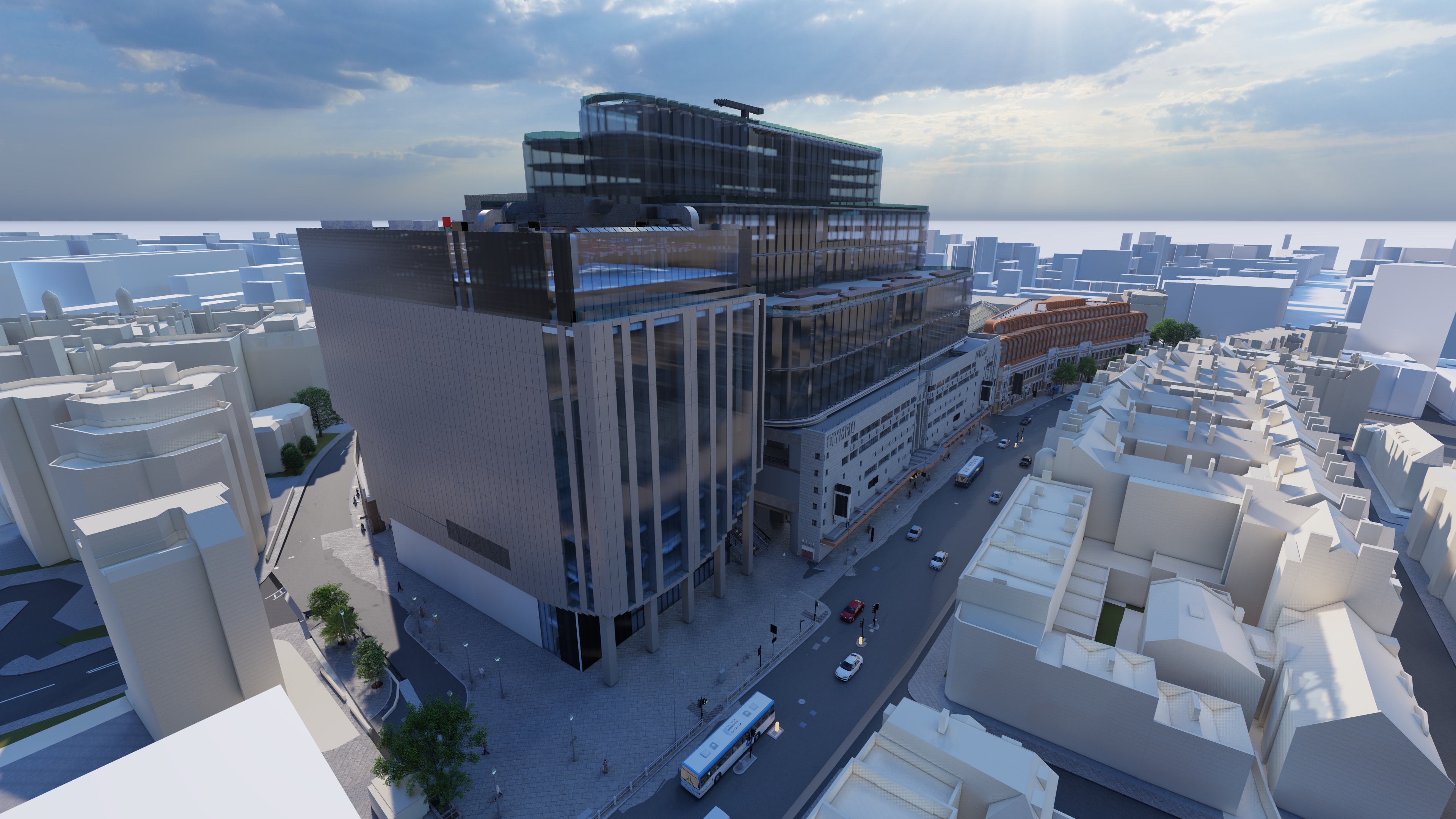
The ongoing redevelopment project encompasses the refurbishment of existing buildings as well as the construction of new structures. The central building will feature office space, a new exhibition area, and a façade retention.
Central Building
One of the newly constructed buildings is called the Central building. The latter is a mixed use building which is constructed on top of the existing West hall. The Central building needed to be decoupled from the West Hall to minimize structure-borne noise transfer between the West Hall and the offices planned in Central. In this regards, our team designed three massive pre-compressed bearing assemblies to limit the deflection during the construction works.
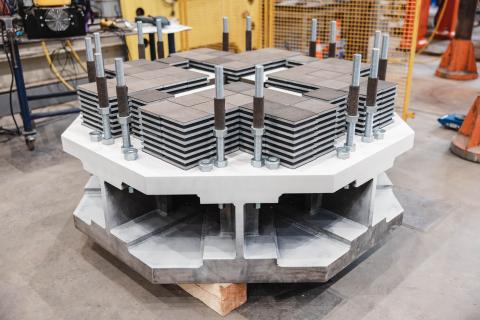

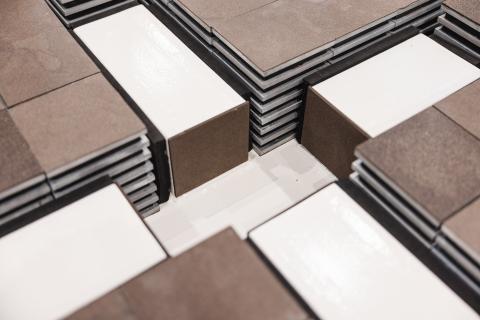

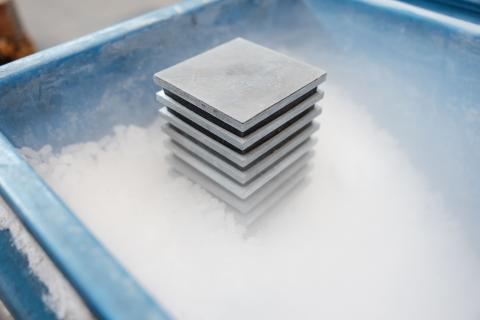

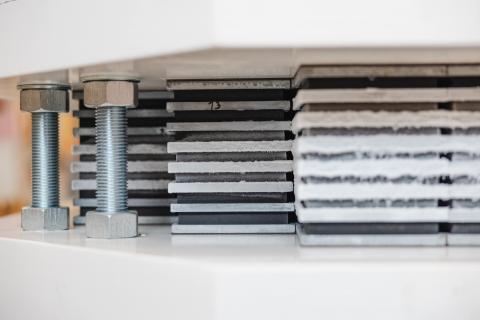

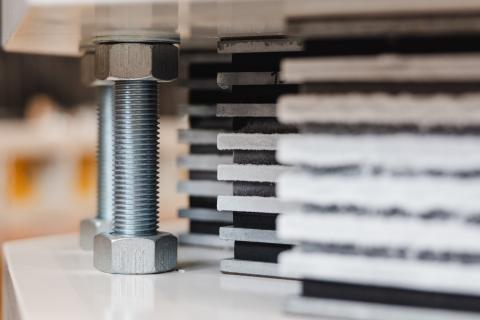

Each of the bearing assemblies featured a custom designed steel housing with integrated failsafes. Our Stravibase VHS solution has been selected for this design and to bolster the load capacity, additional frozen Stravibase VHS bearings were supplemented to the assemblies.
Our engineering team meticulously designed the three bearing assemblies comprised of Stravibase VHS very high stress bearings, in turn consisting of successive layers of high resilience elastomeric pads and steel plates. Each assembly weighed 12 tons and was pre-compressed to 75% of the dead load, limiting deflections during the construction phase.
To ensure safety and reliability, failsafes were integrated into each structural bearing assembly. Furthermore, two of the bearing assemblies were supplemented with frozen bearings to enhance their load capacity.
Due to the substantial size and weight of the steel bearing assemblies, they had to be transported individually to site and lift cranes were required to facilitate their installation. In January 2022, our team in the UK collaborated closely with the contractor to oversee the installation process.
The dedicated engineering team, comprising engineers, drafters, and research and development professionals, displayed unwavering flexibility and continuous support throughout the two-year design phase. They adeptly adapted to changing demands and evolving loads, ensuring that the final designs not only met but exceeded client expectations and adhered to strict regulatory requirements.
Note: to respect fire requirements, a scaled version of the bearing assemblies has been designed and tested according to the EN1365 and performed way beyond 120 minutes required by the regulation.
West Hall
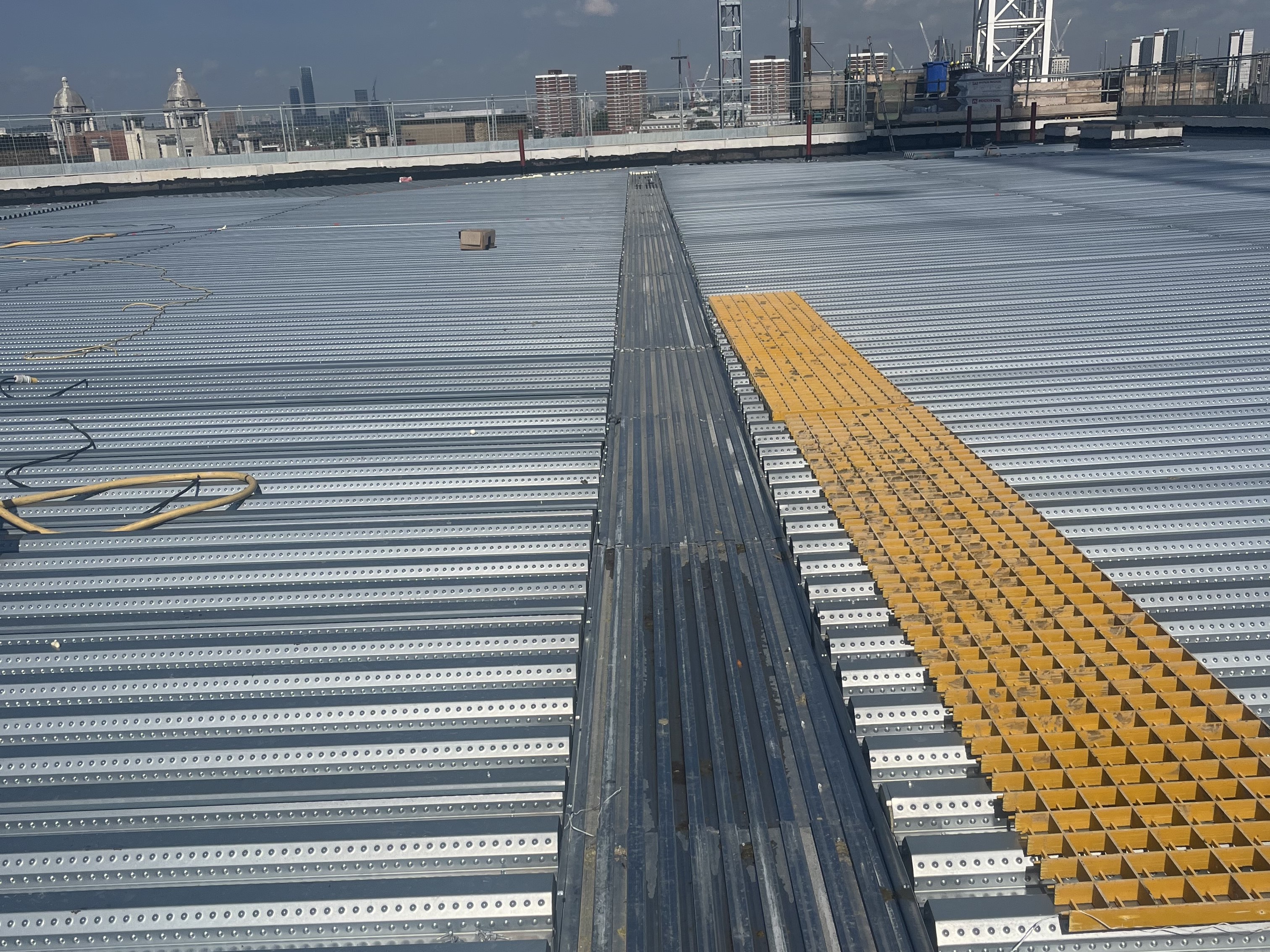
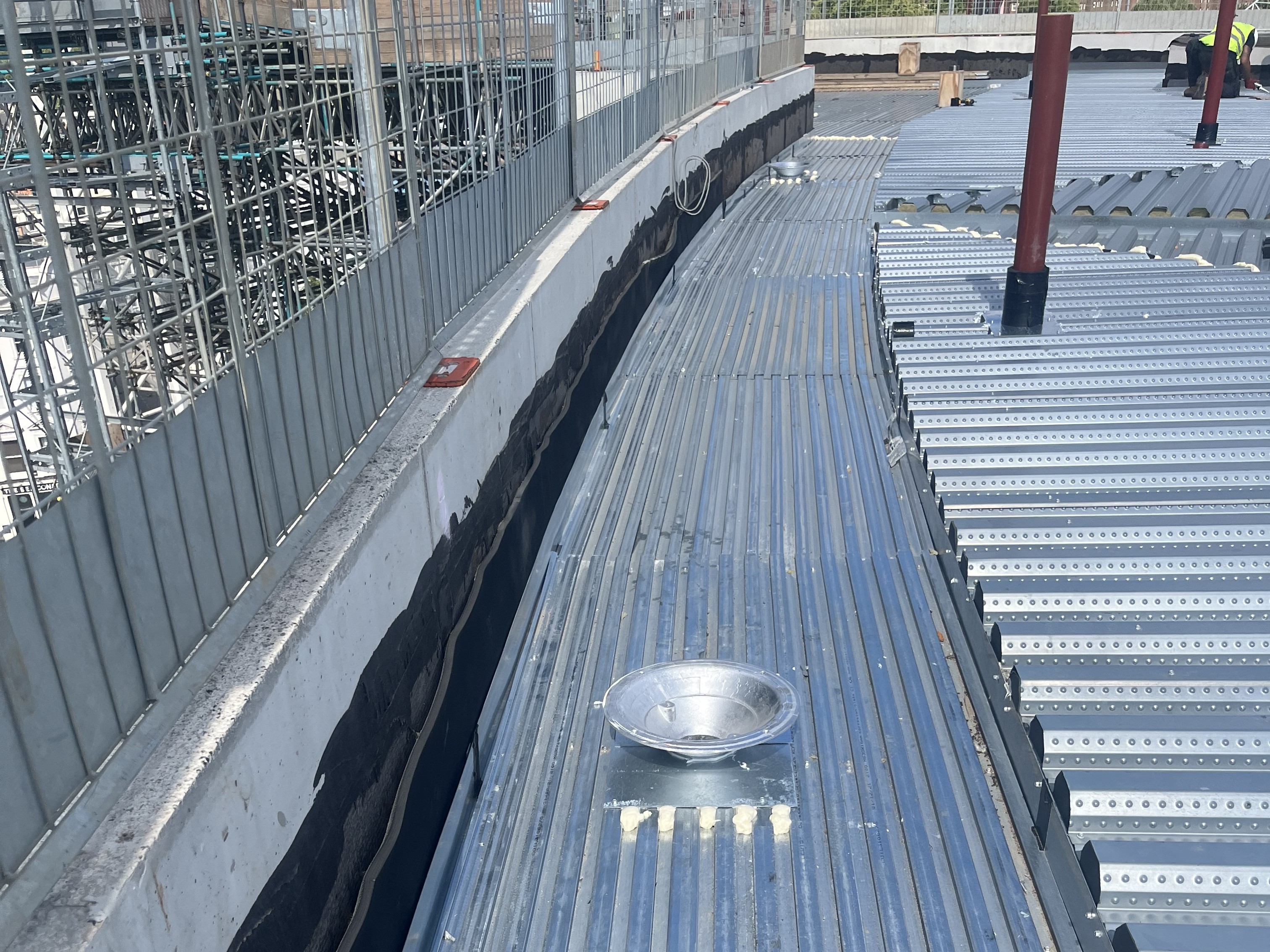
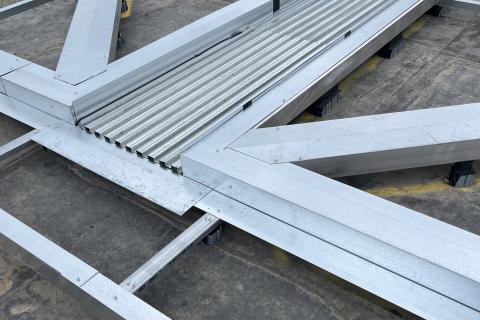
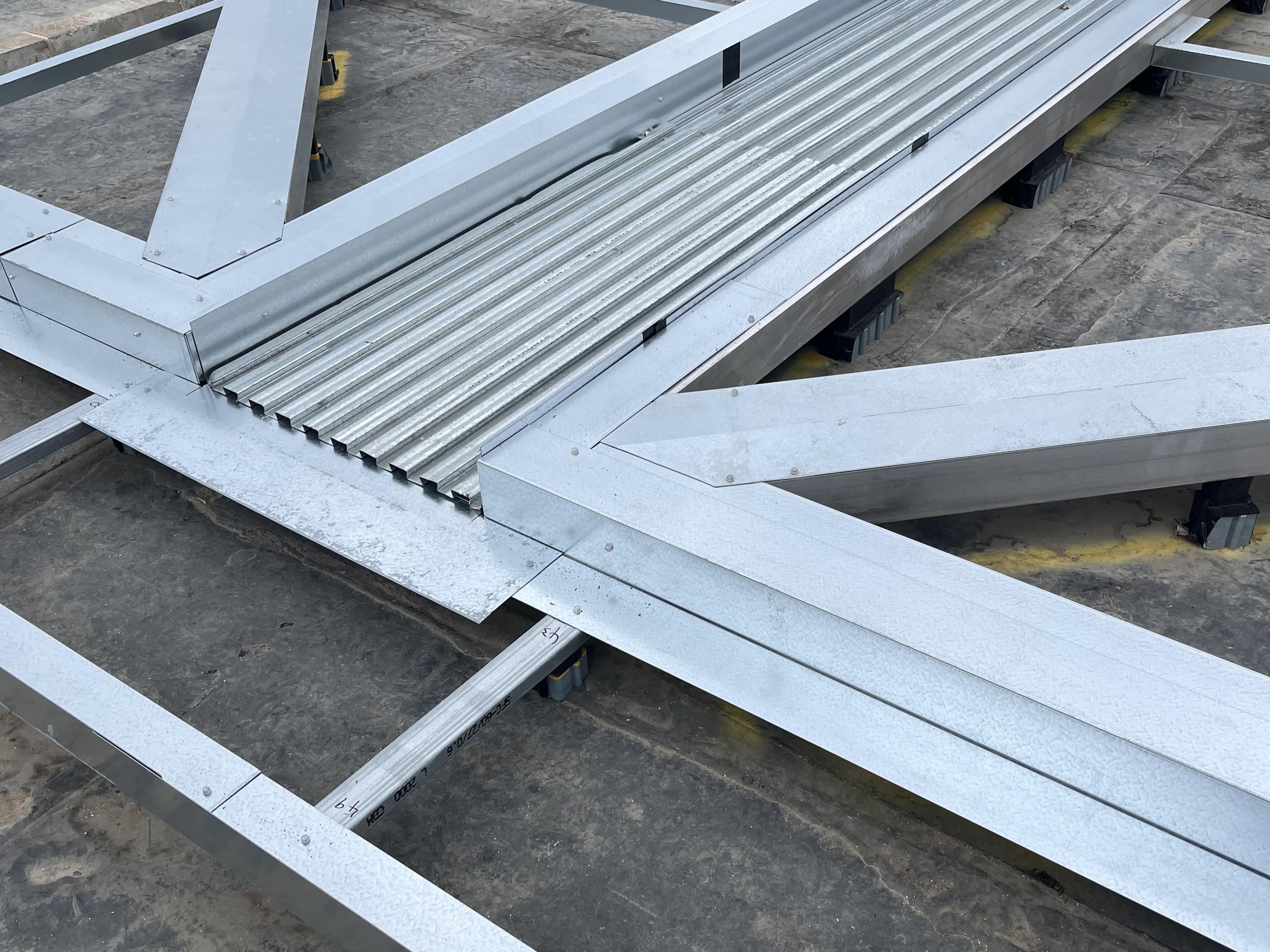
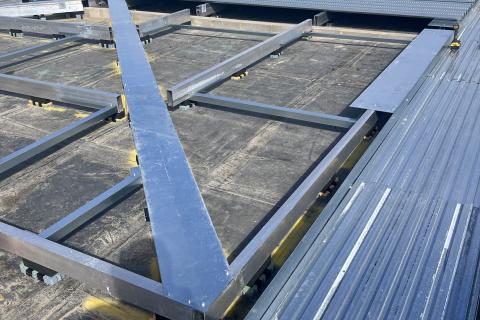
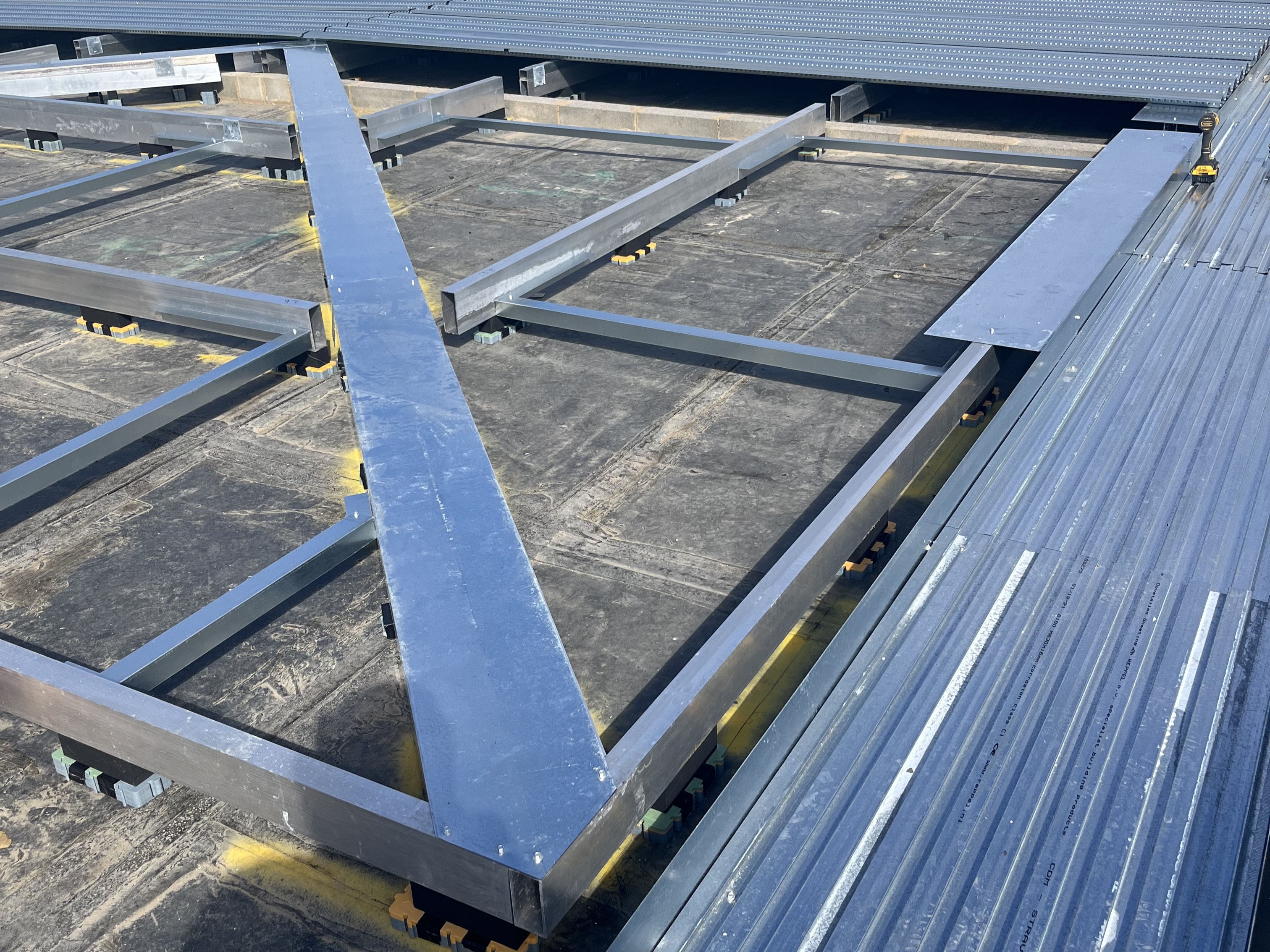
The revived West Hall features two new floors of large-scale, flexible exhibition space and a new full-height glazed façade, meticulously designed to ensure the exhibition areas and music venue function independently. To facilitate this, a Stravifloor Deck acoustic floating floor was installed on the roof of the building, encompassing an impressive area of over 2400 m². The project’s primary objective was to support green roof areas while accommodating a sloping roof profile. To achieve this, aluminum SHS sections of varying heights were skillfully employed to create the desired incline, while Hody-60 and Lewis deck profiles were utilized to manage large spans and gutter areas.
The project’s complexity required precise planning, including a Finite Element analysis to determine reinforcement requirements and ensure structural integrity. Additionally, within the hall itself, another 2000 m² area was fitted with a standard Stravifloor Deck, using stiffer pads in the stage area to withstand higher load capacities compared to the audience zones.
Further enhancing the venue's acoustic performance, CDM Stravitec addressed a unique challenge on Level 01, where building columns were transmitting residual vibrations from the theatre above into the main structural ceiling. To ensure events on Level 01 remain undisturbed, a sophisticated isolated suspended ceiling was implemented with a required natural frequency of 8 to 15 Hz.
This was achieved by using a tailored Stravibase Fix solution at the saddle points where the ceiling structure connects to the main trusses. Because the rigging loads vary significantly between heavy event equipment and empty frames, the units featured a bespoke dual-stage design. A secondary resilient pad was engineered to engage only when additional load is applied, maintaining optimal isolation at all times. To streamline installation and ensure precision across complex geometries, these components were pre-assembled with steel plates, while Stravilink ISH-S spring hangers were deployed in specific areas where trusses could not be utilized.
The design team was excellent and highly professional. Both systems were easy to install based on the information provided, and the ordering process was seamless. The team was also very helpful throughout.
George Good
Flynn Interiors